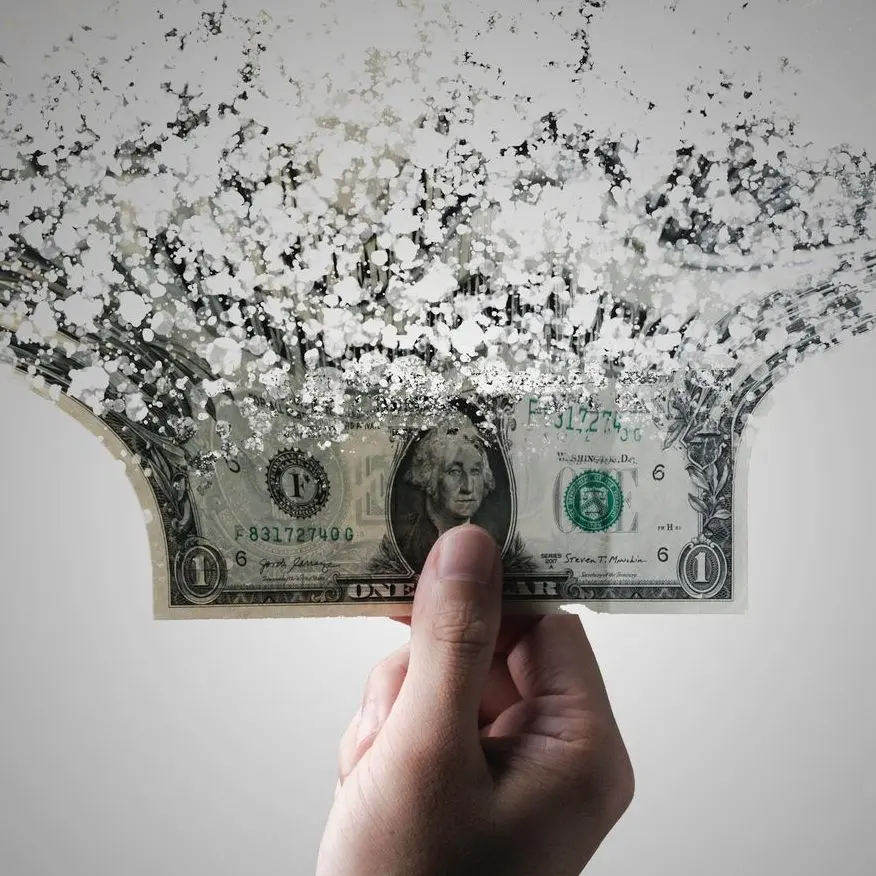
While no immediate replacement of the US dollar’s international role is expected in the short term, its dominance is gradually eroding. In the long run, a paradigm shift cannot be ruled out, according to the analysis.
“The US dollar remains one of the central pillars of the international financial system, but confidence in its stability is waning,” says Reinhold Rickes, Chief Economist of the German Savings Banks Association (DSGV). “Geopolitical tensions, attempts at political influence on decisions of the US Federal Reserve, and rising public debt raise the question of how long the dollar can continue to be regarded as a safe haven.”
Despite the continued demand for US Treasury bonds and the central role of the US dollar in international payments, the Chief Economists’ analysis shows that international markets are increasingly seeking other currencies as hedges against uncertainty. Over the longer term, this could relativise the US dollar’s previously dominant and exceptional position.
Digital assets play an ambivalent role in the future position of the US dollar. Most stablecoins launched to date are based on the US dollar and generate additional demand for the currency as the underlying asset. At the same time, digital assets could become competitors to the dollar if they assume key functions in international payment transactions.
The Chief Economists also identify central bank digital currencies (CBDCs) as potential challengers to the US dollar for specific functions. The digital transformation of the financial system, including the ongoing development of CBDCs in countries such as China, offers new alternatives that could further call into question the foundations of US dollar dominance. “The growing spread of digital assets could fundamentally change the globally dominant currency system in the long term,” Rickes explains. “In particular, the digital renminbi and other digital currencies offer states new opportunities to strengthen their sovereignty in international trade.”
The creation of stablecoins and their regulation through the US government’s “GENIUS Act” – which aims to regulate stablecoins – could strengthen demand for the US dollar in the short term. However, the increasing importance of these technologies also entails risks, especially if public debt were to expand significantly under the label of stablecoins.
According to the analysis by the Chief Economists, whether the dollar can maintain its dominant role in the long term will largely depend on political and institutional reforms that ensure the stability and reliability of the US dollar system. “In the past, the US dollar has benefited from deep trust and strong institutional backing. However, to preserve its leading position, the United States must safeguard the stability of its public finances and the independence of its central bank,” says Carsten Wesselmann, Chief Economist of Kreissparkasse Köln, who led the development of this position paper on behalf of the Chief Economists.
The Chief Economists of the Savings Banks Finance Group regularly publish position papers on current monetary and economic policy issues.